The thirty year bond and your clients’ pipeline
Liquidity has already moved. That is the lead indicator. Deal flow, refinancing and mandates are the lag. Firm revenue and hiring come after that.

Liquidity has already moved. That is the lead indicator. Deal flow, refinancing and mandates are the lag. Firm revenue and hiring come after that. If you run a BD or client function in a firm that serves funds, that sequence is your planning calendar.
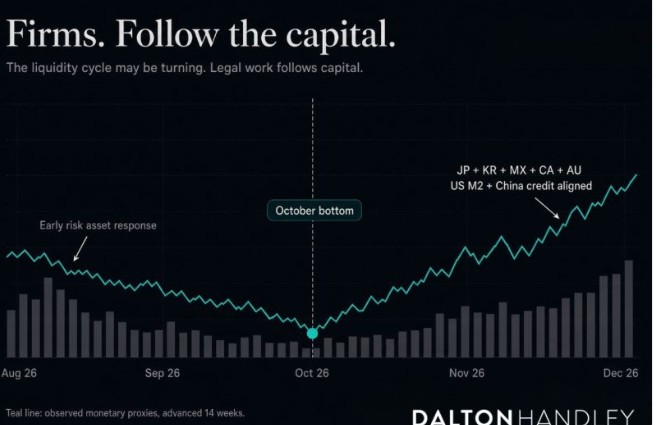
The long end of the bond market tells you what capital expects to cost for years to come. When it shifts, fund managers change their assumptions on exits, refinancing and the timing of new raises. Those decisions become mandates for lawyers, accountants and advisers six to eighteen months later. Most firms notice when the mandate arrives. The best BD teams noticed when the yield moved.
The practical version of this is a map. Fund vintages and where each one sits in its life. Dry powder by manager and strategy. Debt maturities across the portfolio companies your clients own. Exit pressure from limited partners who want capital back. None of it is secret. Most of it is in annual reports, fund documents and the trade press. Very few firms put it in one place and use it to decide who to see this quarter.
By the time the tender arrives, the opportunity has usually already been shaped. The firm that helped a fund think about its refinancing options a year earlier is on the panel. The firm that responded to the tender is competing on price.
For the people in these roles, the lesson is the same. A BD manager who can read a fund’s position and explain it to a partner is doing a different job from one who formats the pitch. The first one gets promoted. This is a model, not financial advice.