Senior BDs in law are moving upstream, closer to capital
Autonomous vehicles, digital assets, robotics, energy storage, consumer AI. Different sectors, same pattern: code, data, automation and fast moving regulation. Legal demand is moving from execution to design, and BD roles are following it.

The growth projections for several emerging markets are enormous, and they explain why senior BD roles in law are sitting closer to partners and closer to capital. As these markets mature, legal demand moves upstream: governance and enforceable rights, security and controls, contracting models, dispute readiness, regulatory strategy, and repeatable packaging and pricing.
Private capital features heavily because it wants ownership, control and downside protection, not paper claims. That changes how work is scoped, priced and sold. It is why firms should consider BD talent with capital, pricing and product instincts from funds, banks, infrastructure managers, technology and consulting, not only from other law firms.
The opportunity is not to support partners. It is to redesign how work is packaged and monetised to win and keep this wave of demand. You do not need to abandon what works. It is just wise to add the capability that wins in the next market structure.
What this looks like in practice is a senior BD role that sits with a sector leader rather than a practice group, carries a revenue target, and spends as much time with clients and capital providers as with partners. The person in it needs to understand how a fund thinks about risk and return, how a project is financed and where the legal spend sits in that structure.
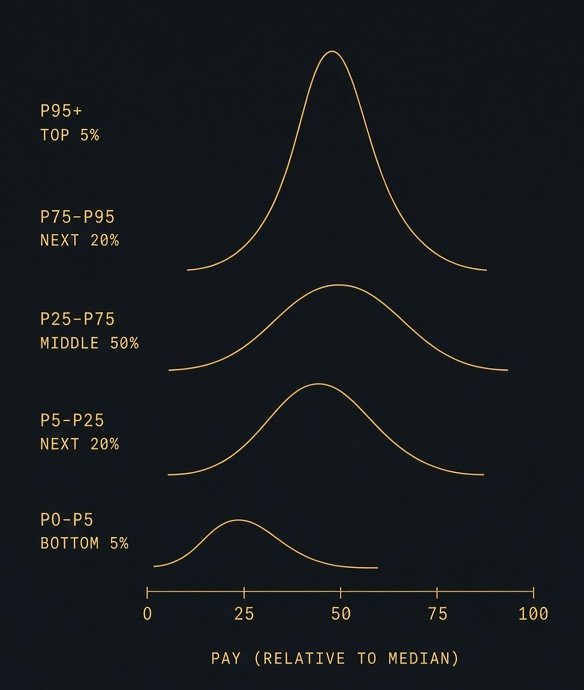
Firms that have made this move report the same thing: the conversation with clients changes. It moves from what do you need from us to where is your capital going next and what will it need on the way. That is where the margin is, and it is why the people who can hold that conversation are being paid at a level that would have looked odd for BD five years ago.